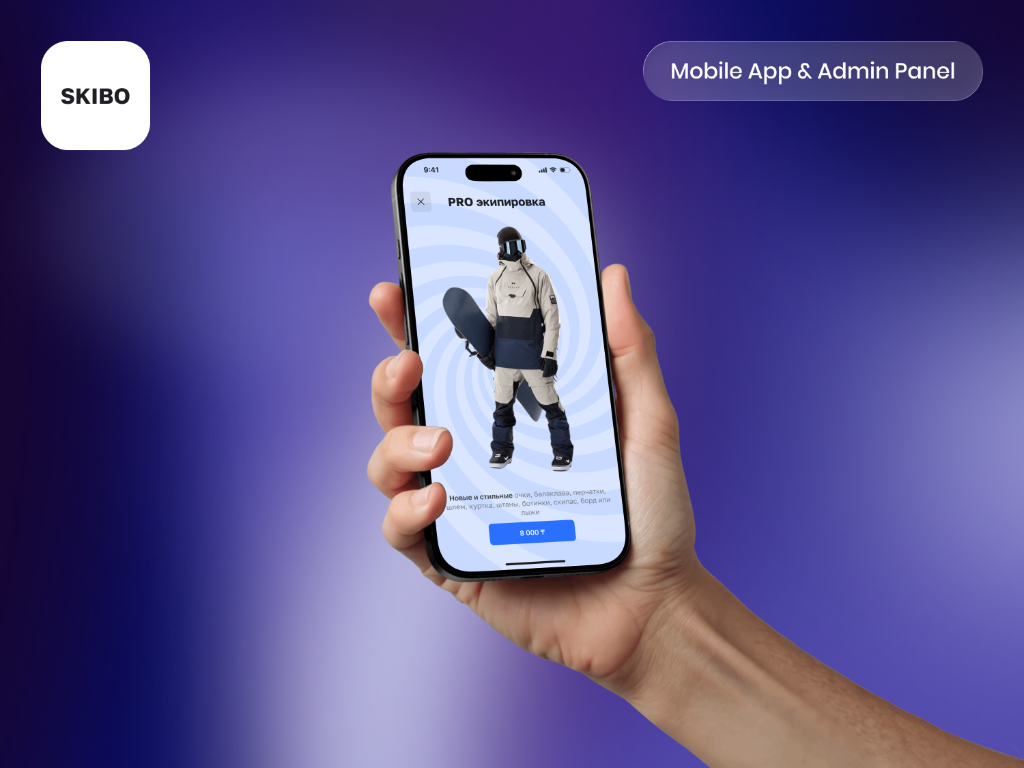
Skibo Mobile App & Admin Panel
Online Sports Equipment Booking
Long rental queues, manual sizing on paper slips, and frequent stockouts during peak winter seasons.
Mobile app with smart gear matching by rider height/weight + real-time inventory management CRM for staff.
Gear pickup time reduced from 15 to 2 minutes, 4.9★ user rating, and 1,000+ rental assets digitized.
My Role
Product Features
The Challenge
During peak season, the sports equipment rental faced severe congestion at the pickup point.
Visitors arrived simultaneously, creating queues. The space filled up quickly, and staff spent significant time processing paperwork and selecting equipment.
An additional issue was the inability to check the availability of specific sizes or models in advance, leaving some customers without equipment or dissatisfied with the service.

The Solution
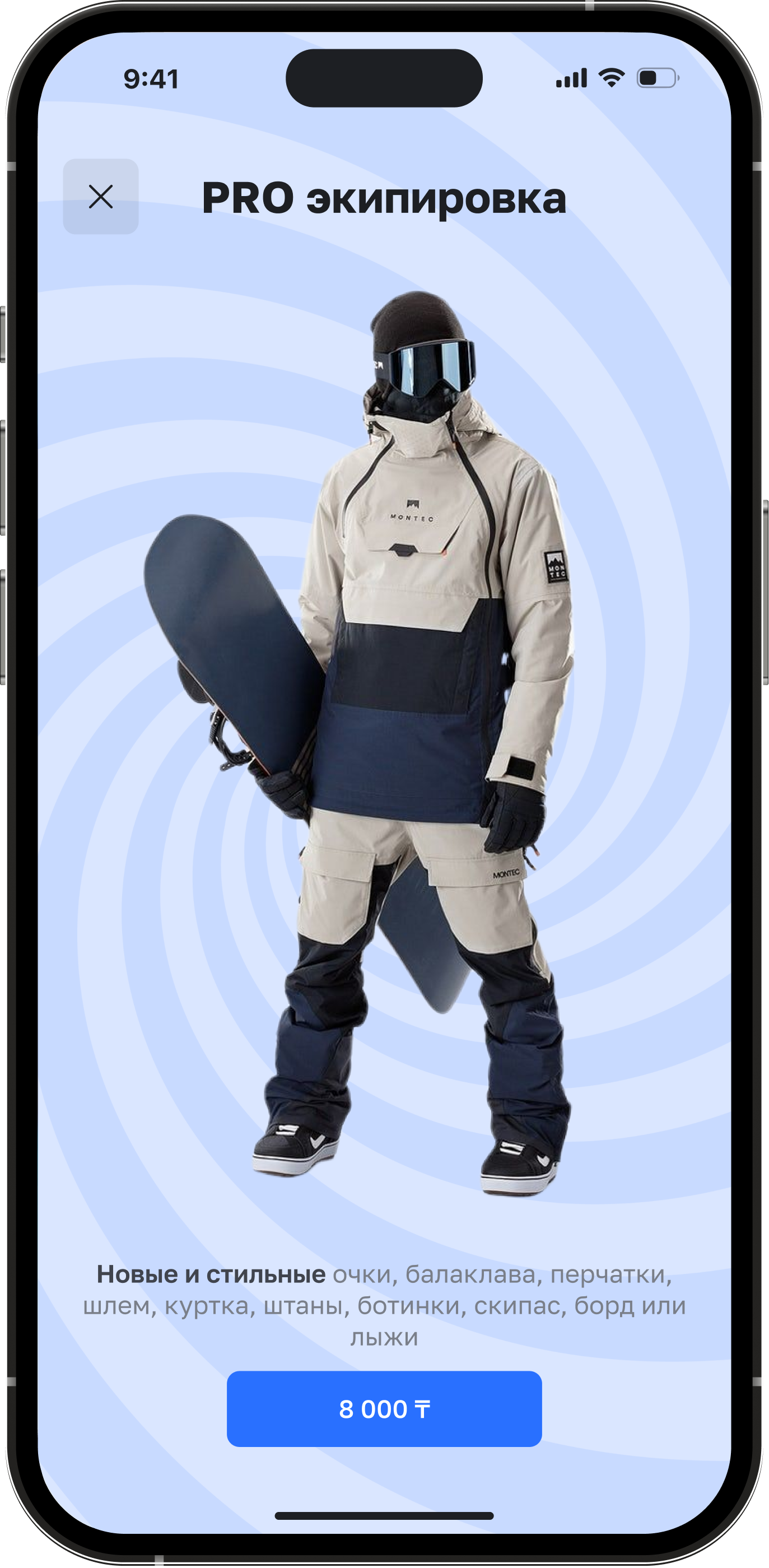
We developed a comprehensive ecosystem: a mobile app for customers and a powerful admin panel for the business.
Customers no longer wait in queues — they do everything on their smartphones: from selecting equipment to signing contracts and paying.
Business Goals
Reduce Queues
Minimize the time customers spend at the pickup point.
Improve Predictability
Allow users to reserve needed equipment and sizes in advance.
Automate Processes
Digitize contract signing and payment.
Research
Before designing, I analyzed rental services and marketplaces with similar logic.
What we learned
Size matters
Users want to know in advance if equipment in their size is available.
Queues create negative experience
A large number of clients simultaneously overloads the pickup point.
Paper contracts waste time
Signing documents increases service time.
On-site payment slows the process
Clients are ready to complete the booking in advance via the app.
User Flow
How We Reduced Booking Time
Pre-booking
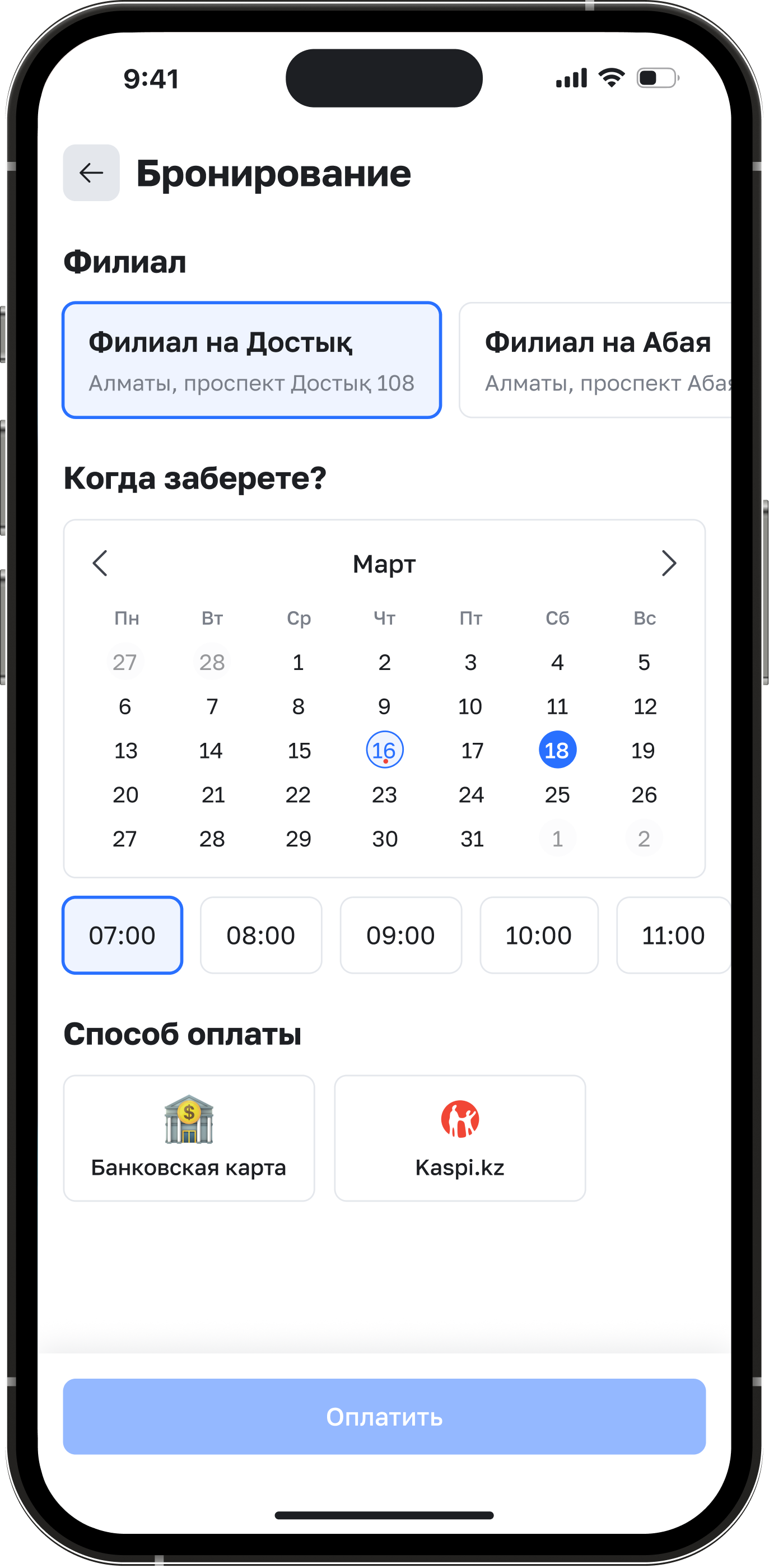
Users could reserve equipment in advance, guaranteeing availability for chosen dates.
Electronic Contract
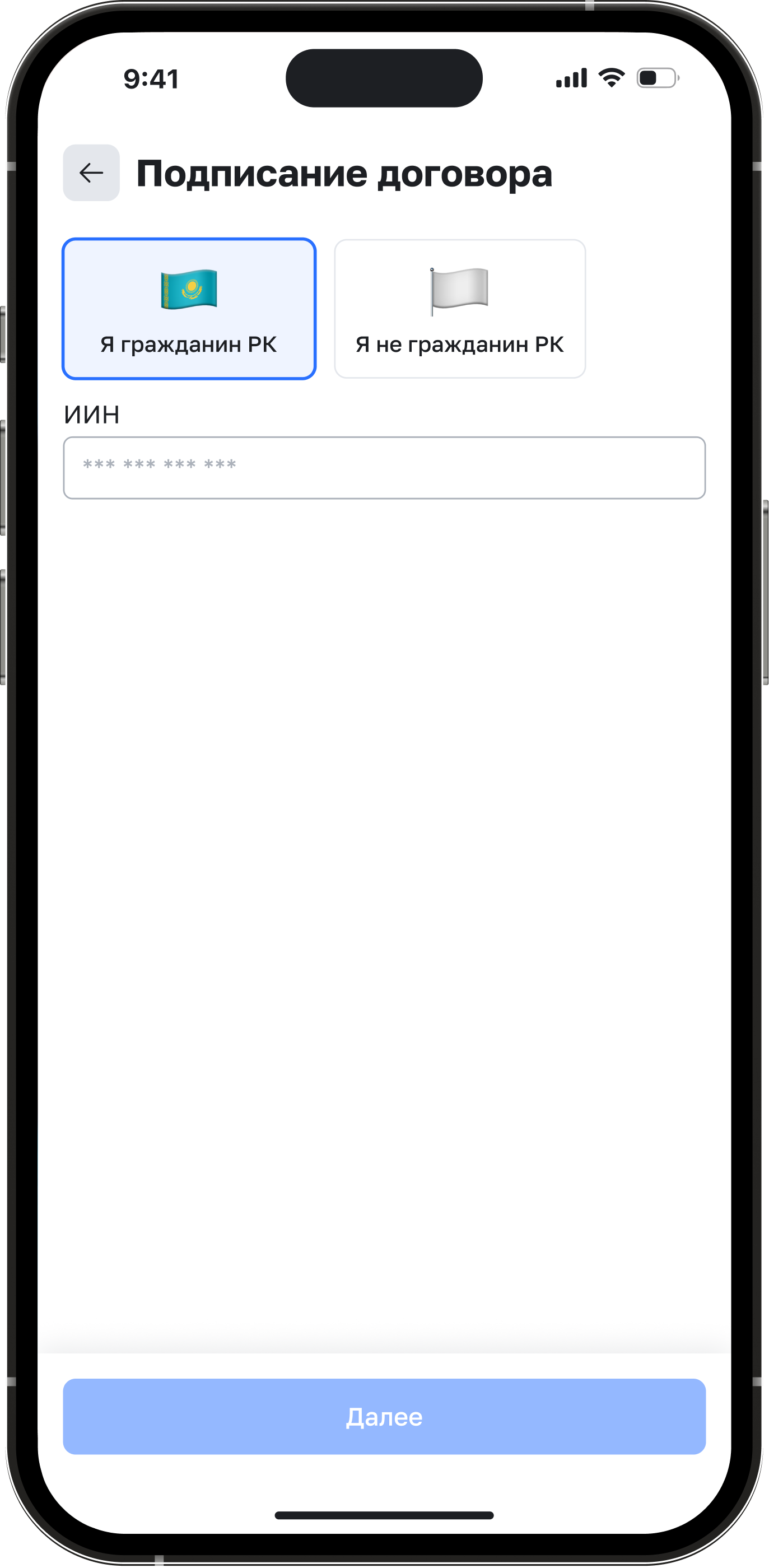
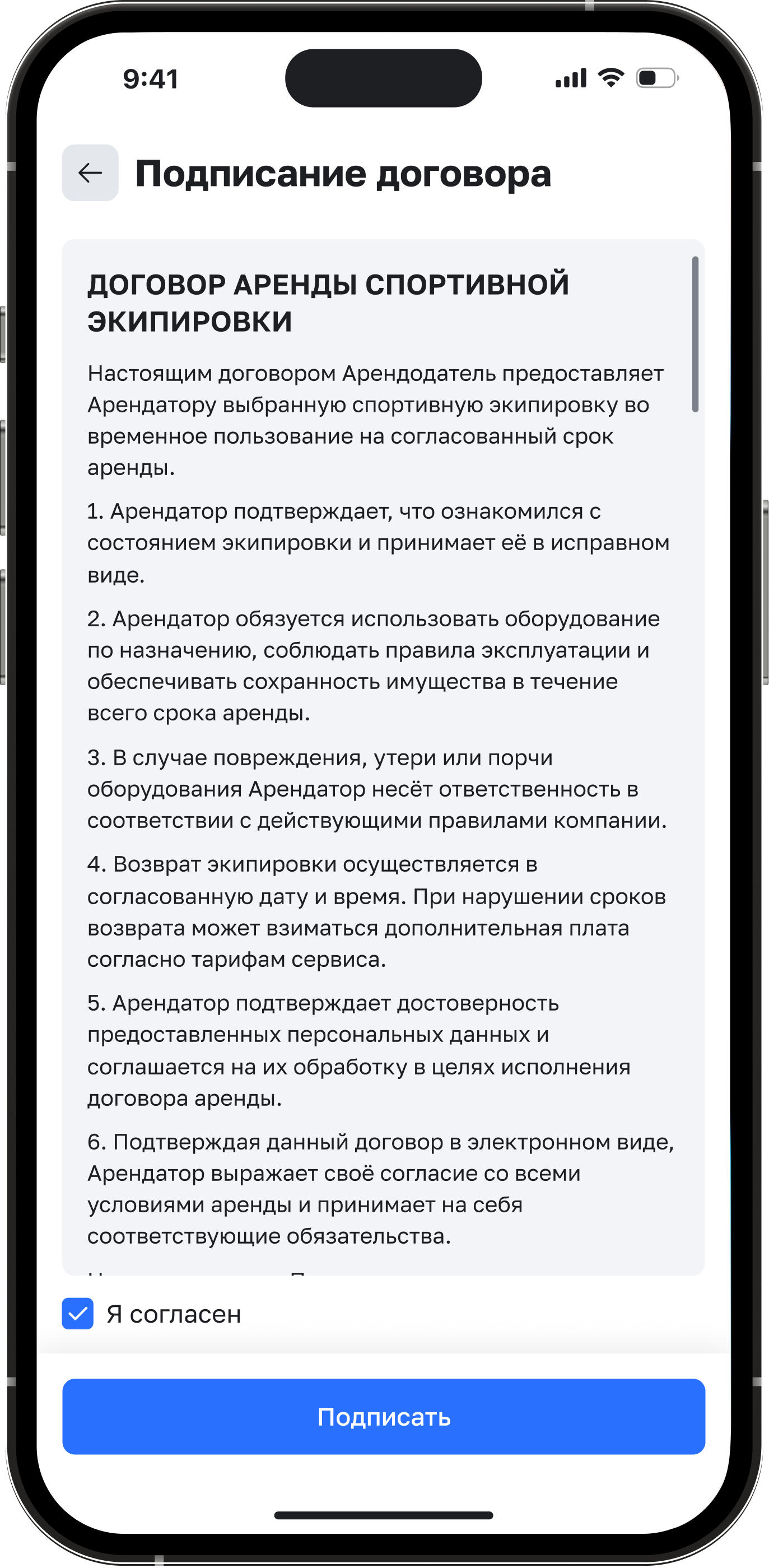
Instead of filling out paperwork on-site, clients signed the contract directly in the app.
Online Payment
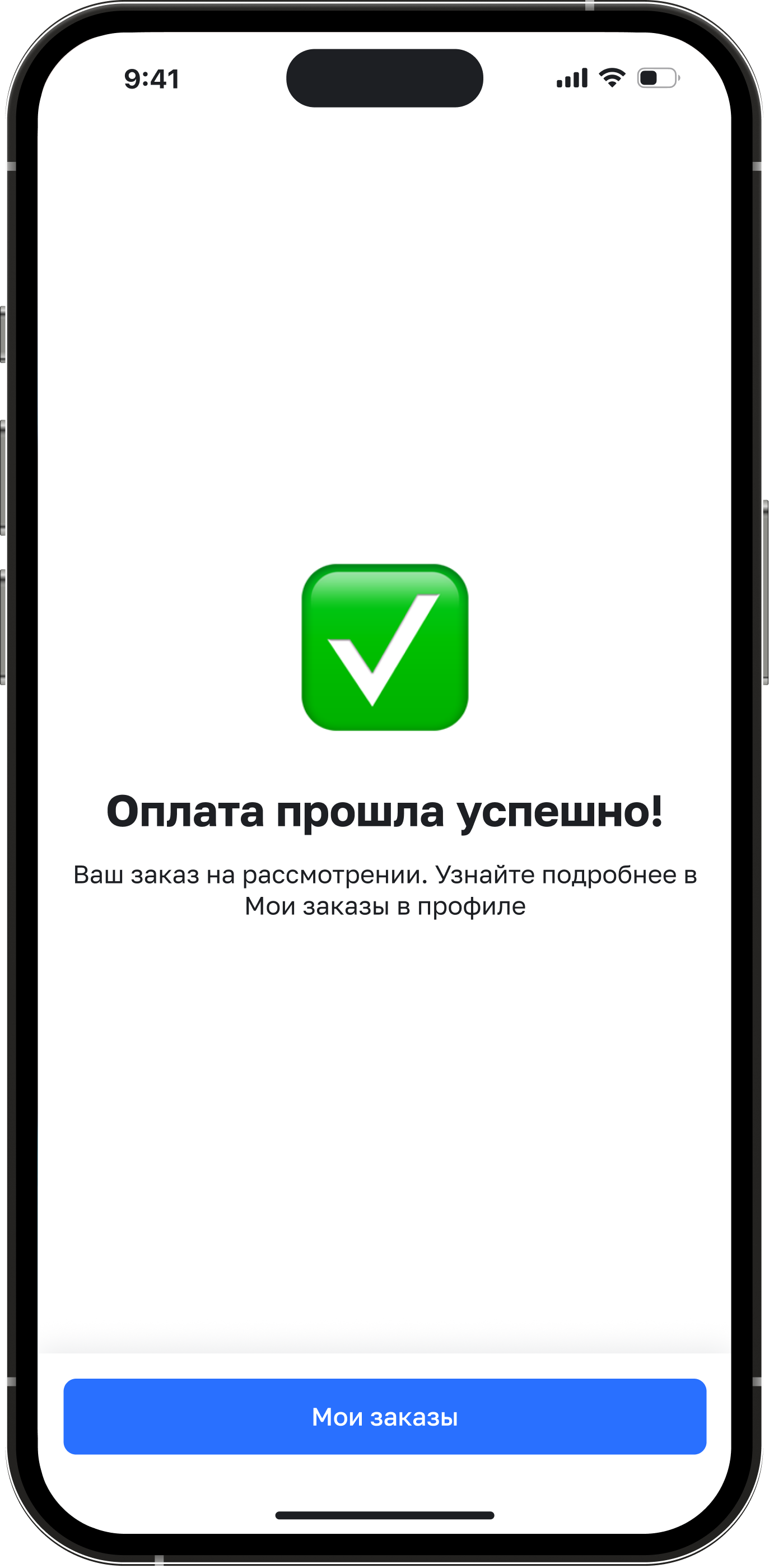
Moving the payment process to a digital format significantly sped up equipment handover.
Mobile App
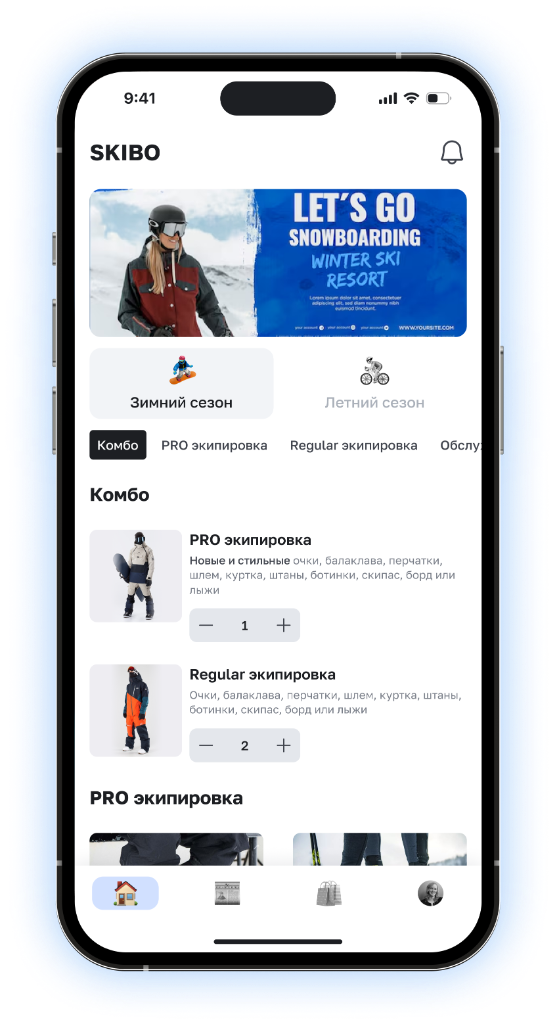
Equipment Catalog
A convenient system of categories, filters, and search helped users quickly find the inventory they needed.
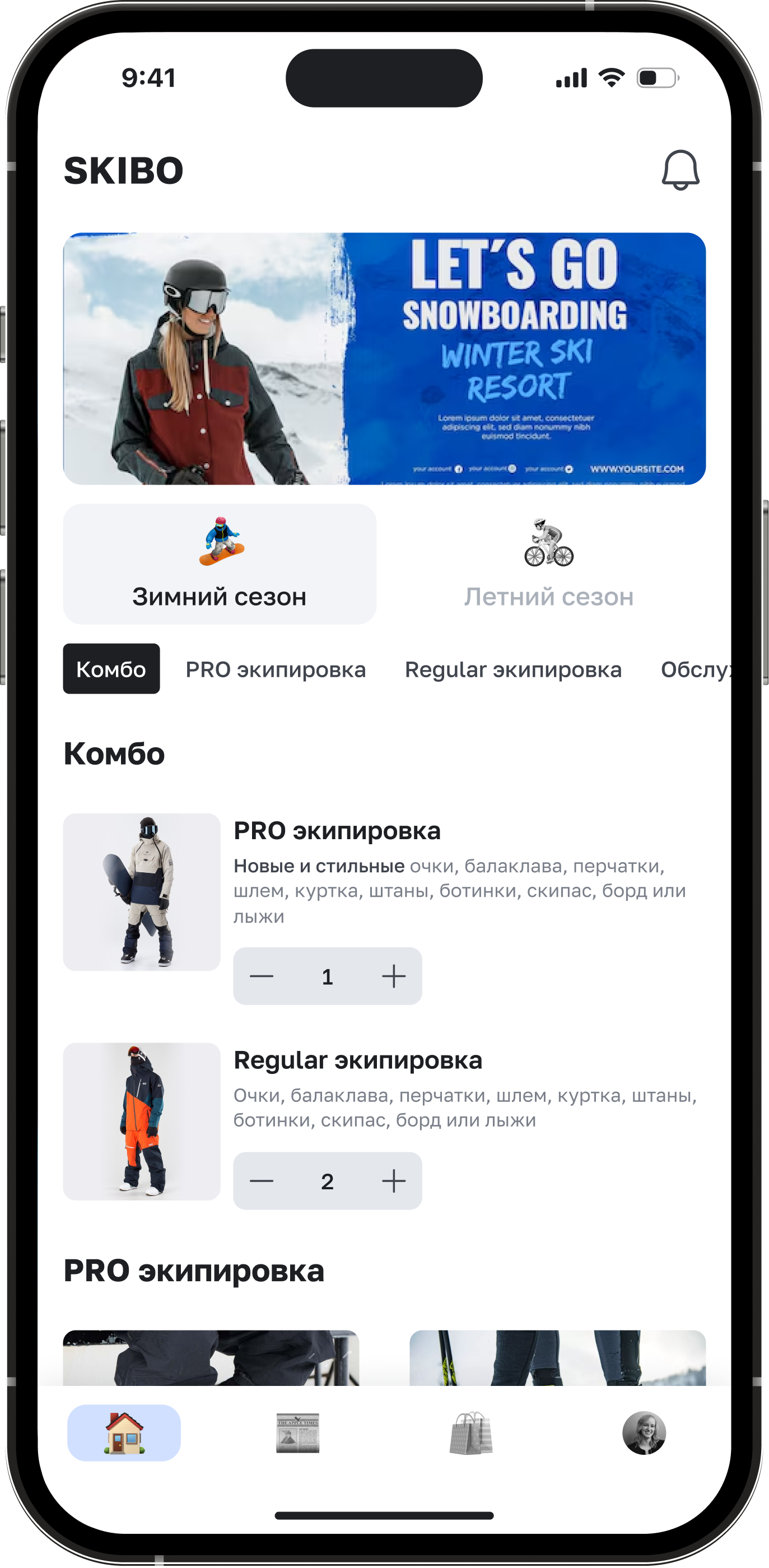
Product Card
Users could see photos, specifications, available sizes, and rental dates.
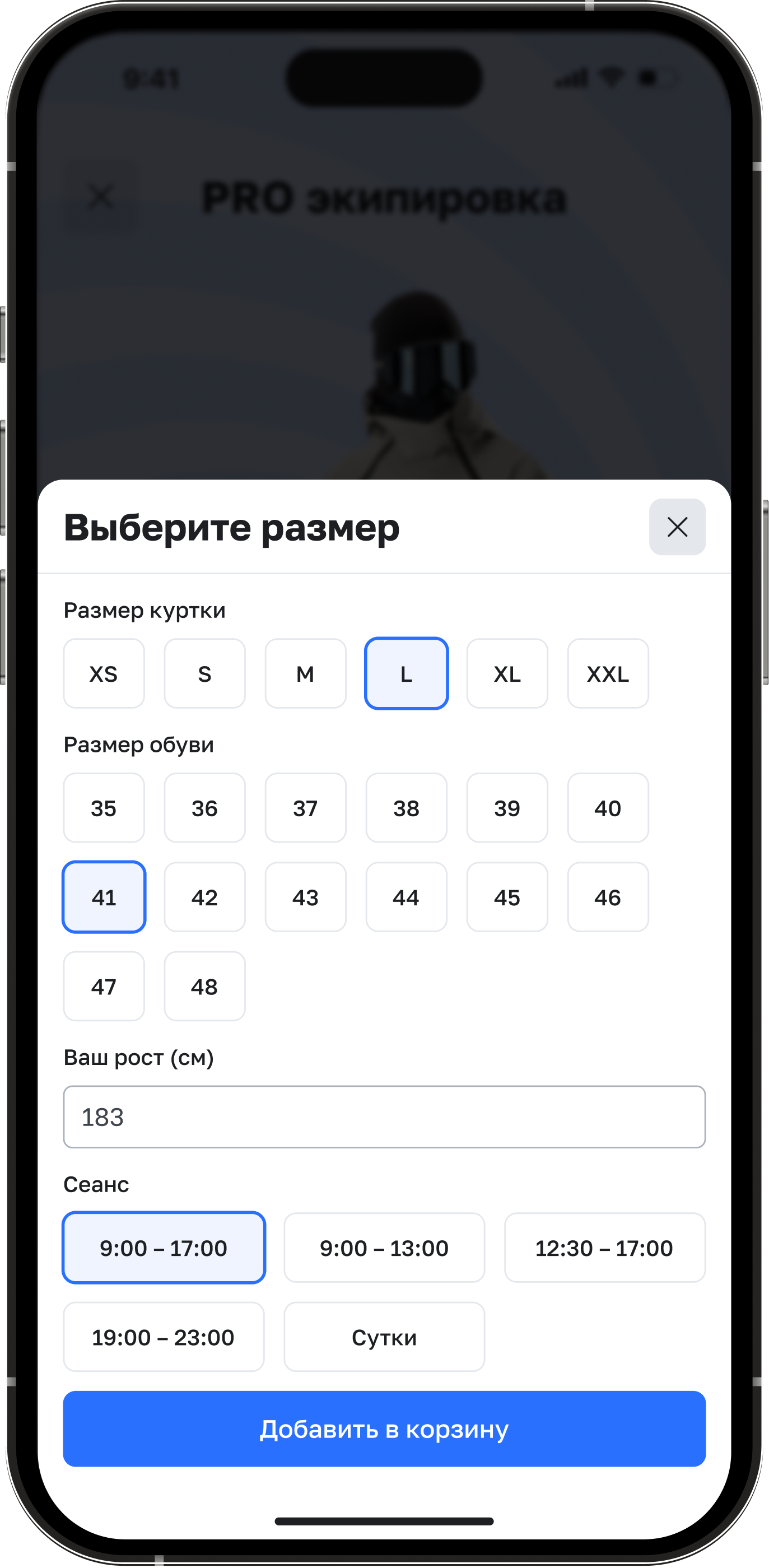
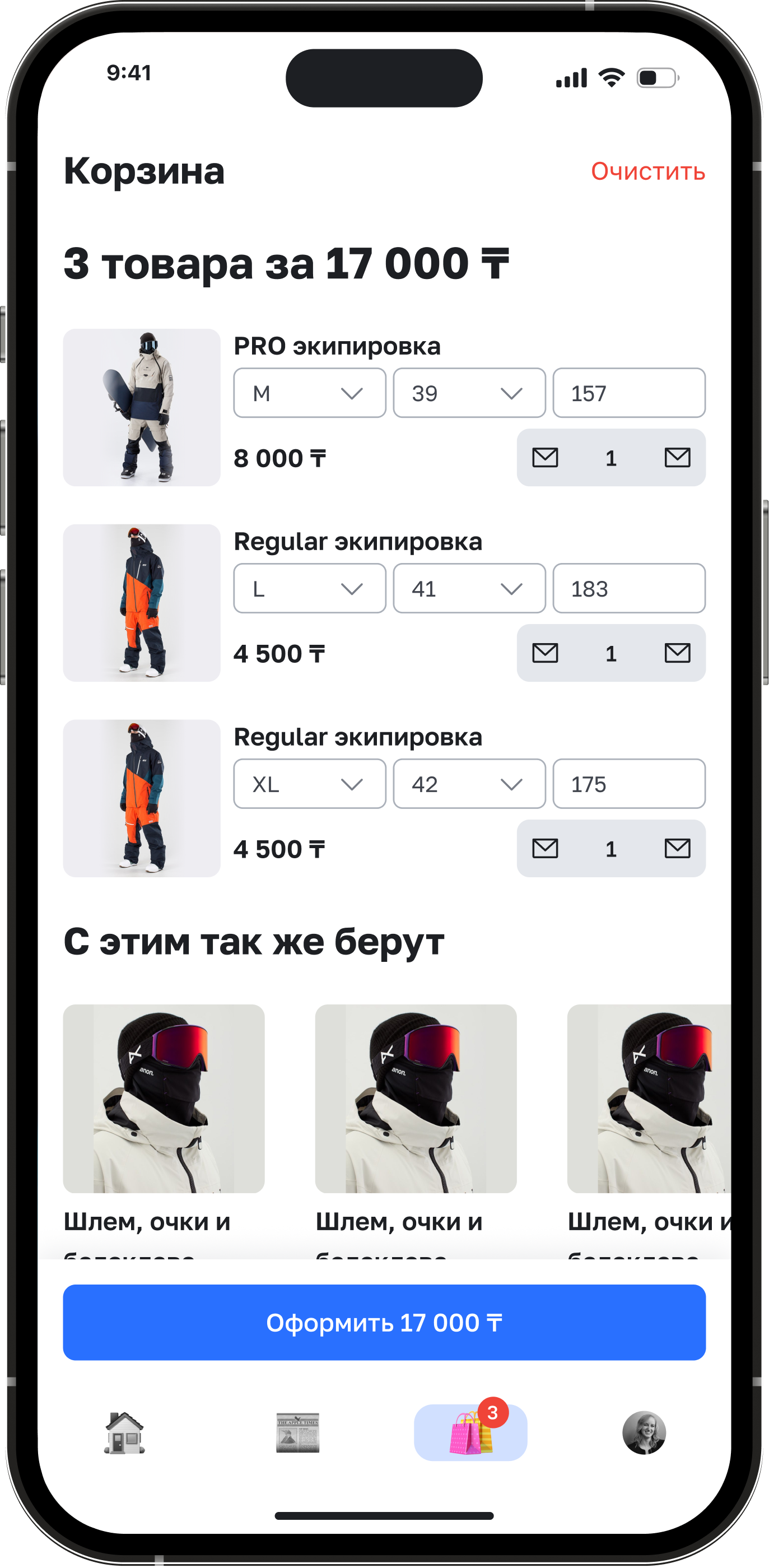
Booking, Contract & Payment
A step-by-step checkout process prevented errors and reduced cart abandonment at the payment stage.
Smart Admin Panel
Alongside the client app, an internal management system was designed to help staff process orders faster and monitor equipment availability.
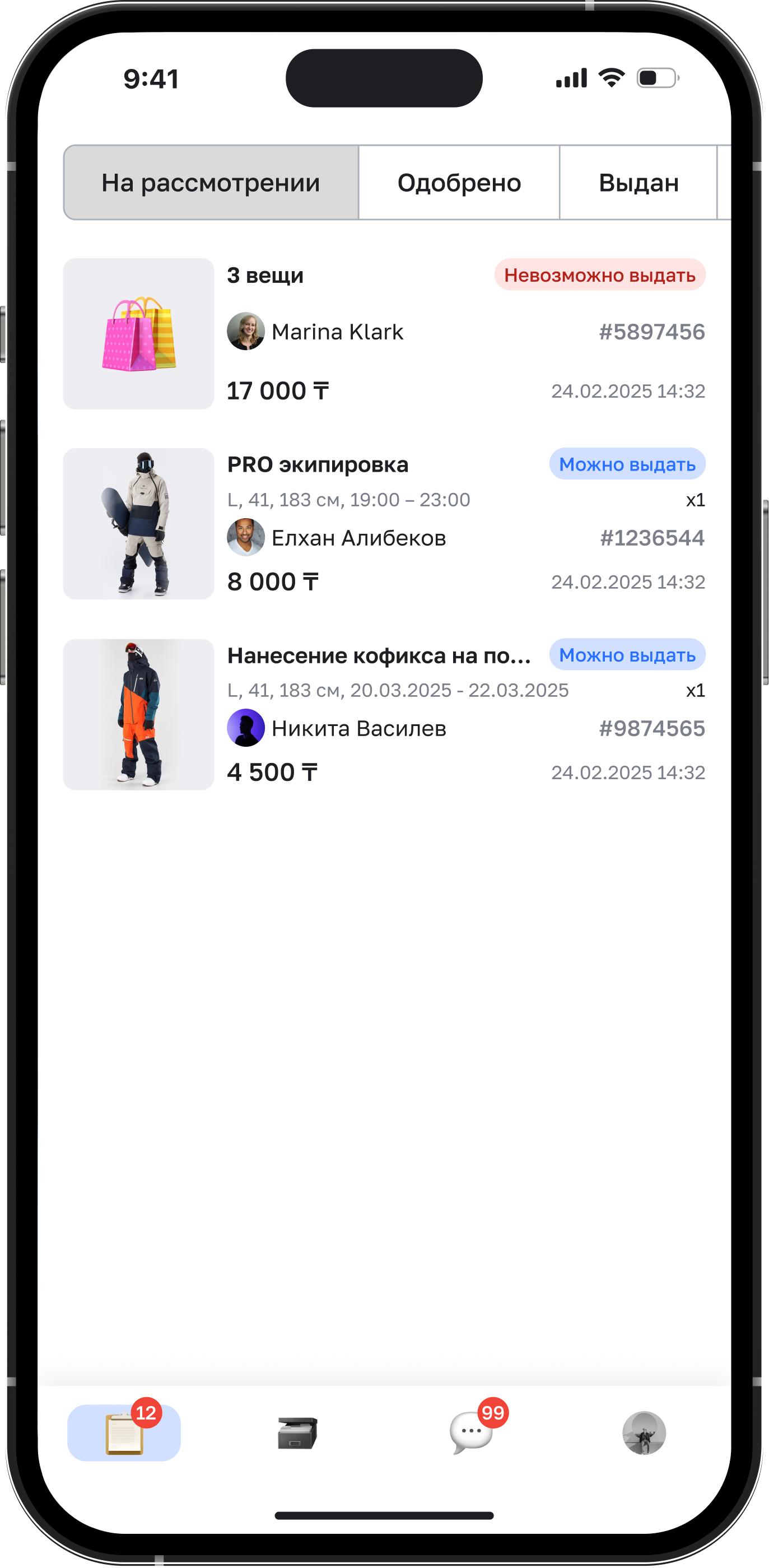
Orders List
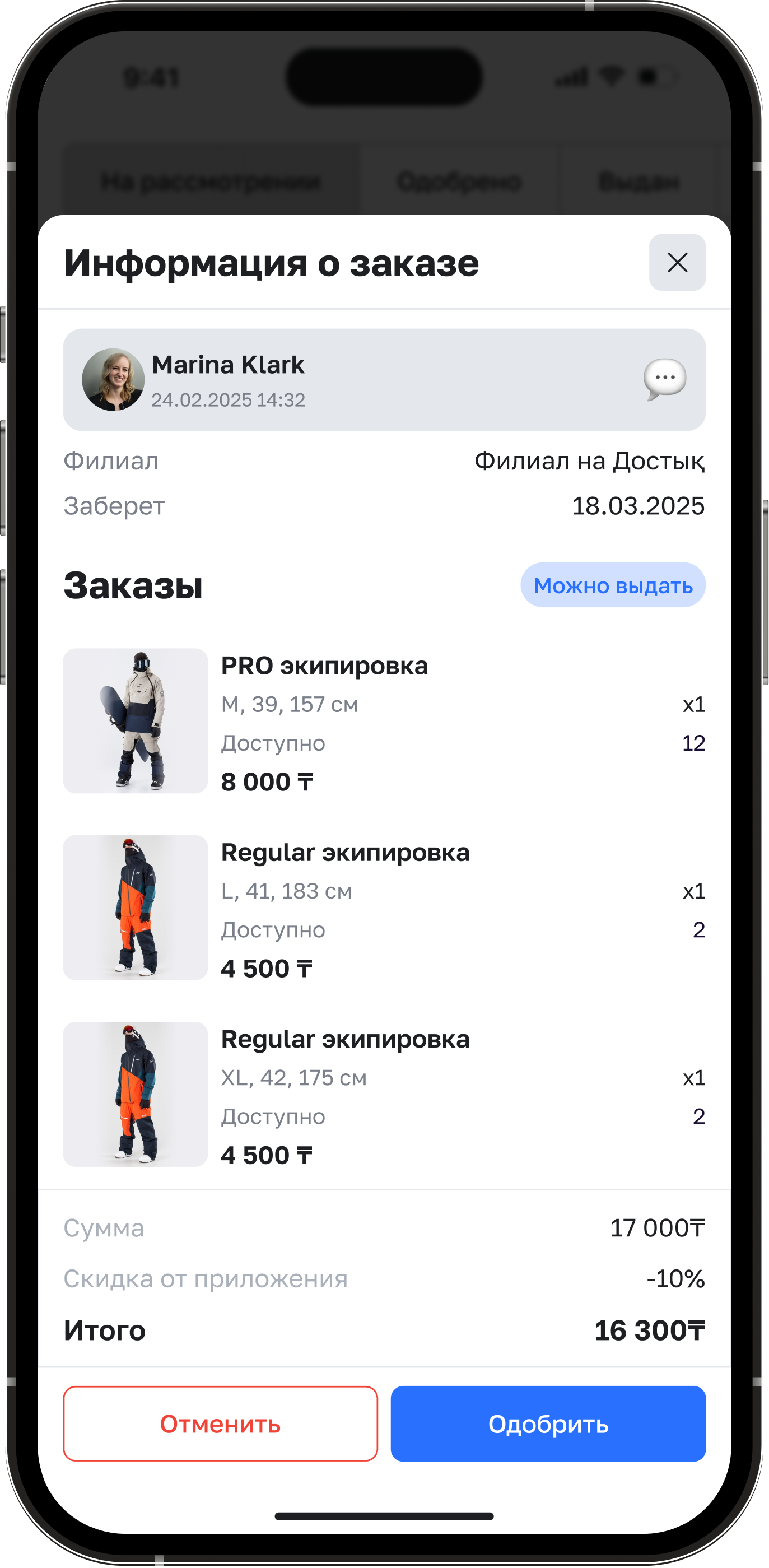
Order (Ready)
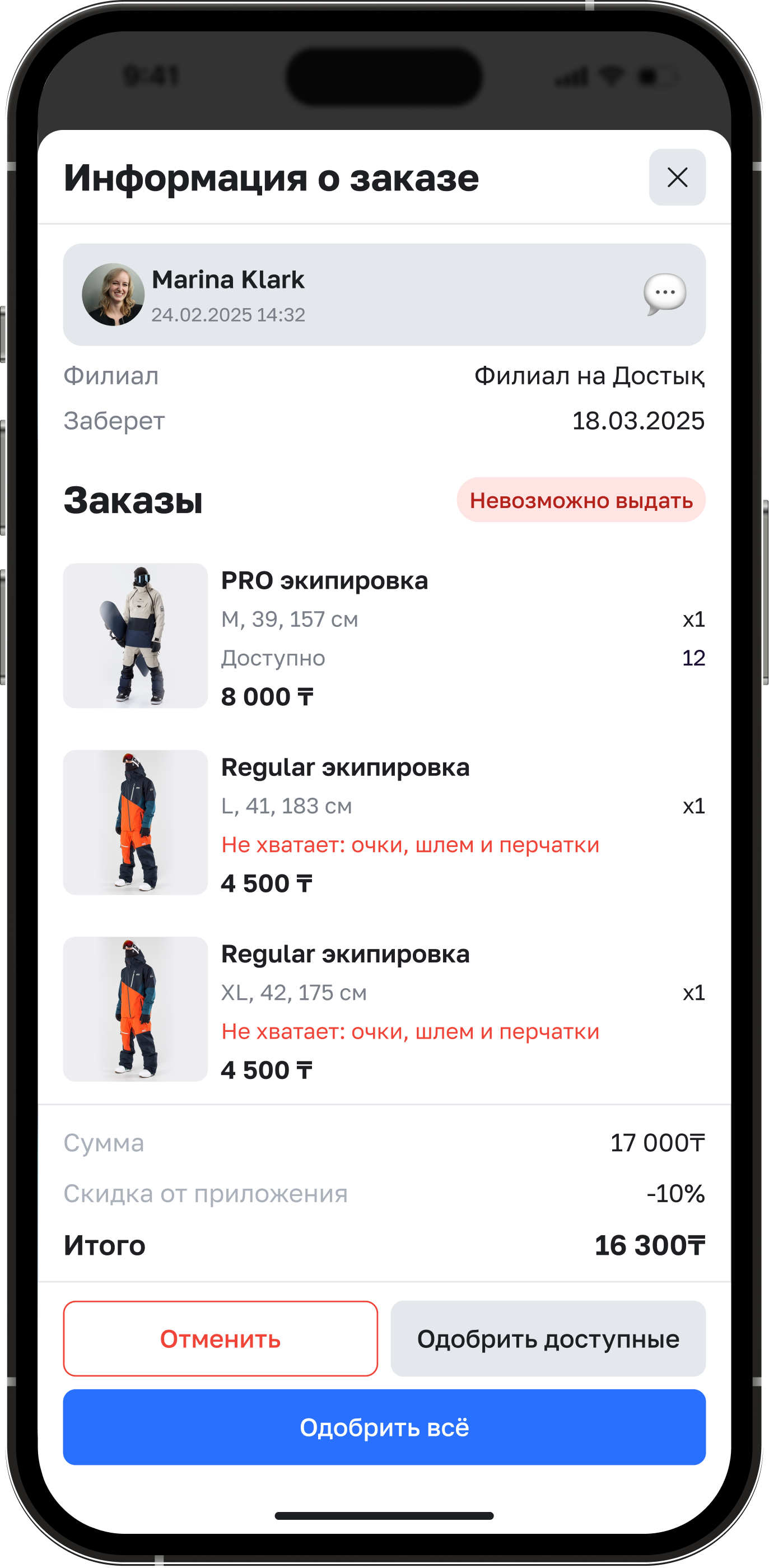
Order (Waiting Items)
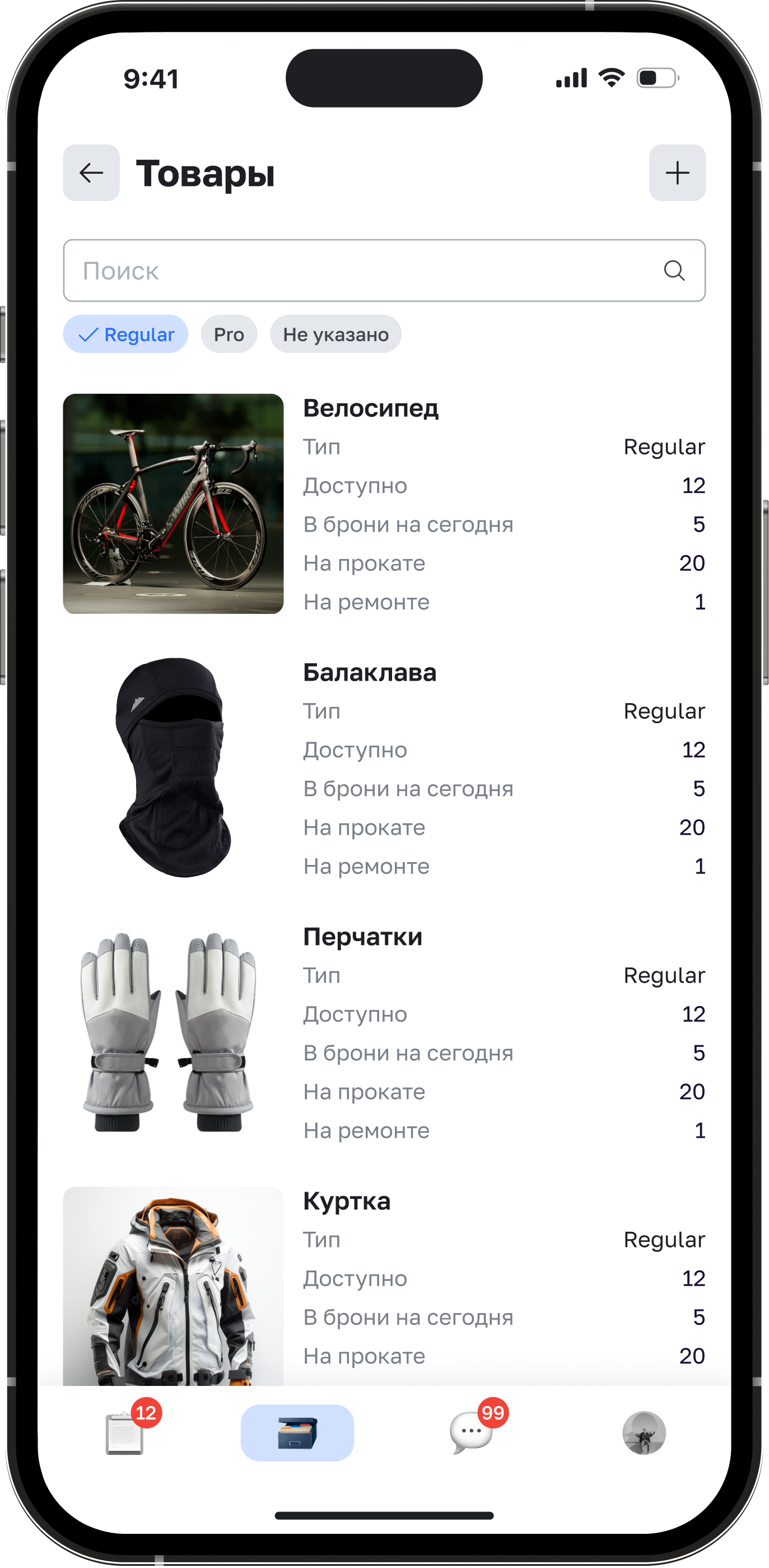
Catalog Management
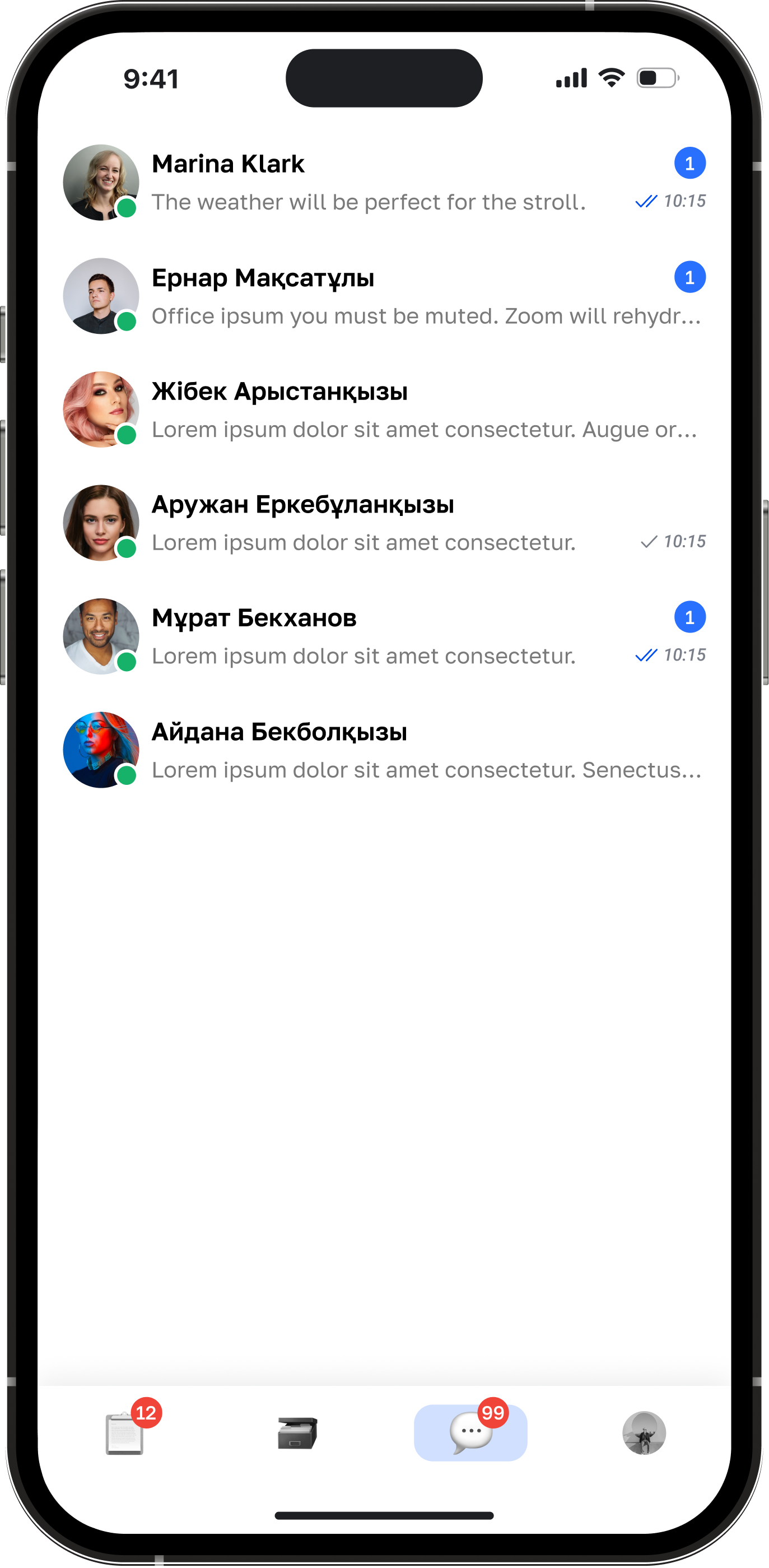
Client Chat
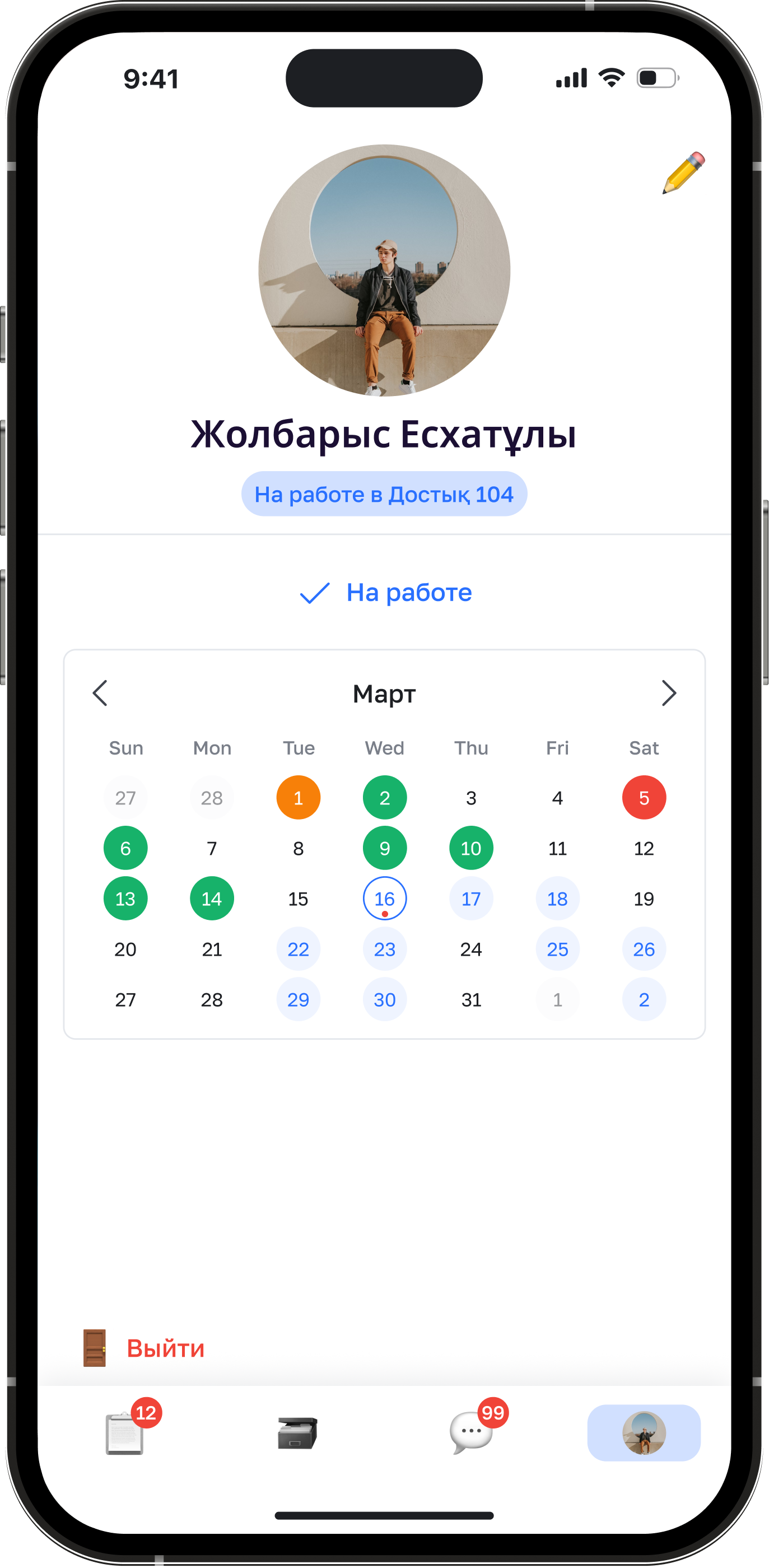
Admin Profile
Validating Solutions
After creating an interactive prototype, we conducted user testing with potential service clients.
The feedback allowed us to refine screen structures, simplify specific rental flow steps, and verify the clarity of key features before development started.
The goal of the testing was to ensure users could independently navigate from selecting equipment to completing the booking without additional explanations.

The Result
A complete digital equipment rental scenario was designed — from selecting items to signing the contract and payment.
The solution moves most actions from offline to the mobile app, reducing customer service time and lowering the workload on pickup point staff.
Since the project was not launched into development, quantitative metrics are currently unavailable.
Future Development
If work on the product had continued, the next stages of development could have included:
- a loyalty program for regular customers;
- equipment recommendations based on rental history;
- push notifications regarding return deadlines;
- integration with a warehouse management system;
- analytics on equipment and branch utilization;
- dynamic management of equipment availability.
Enjoyed this case study?
I am open to new challenges and ready to discuss your next project.
Contact me on Telegram